

Image: your123/Adobe Stock
There has been a critical gap in studies linking changes in early neurodevelopmental processes to later impacts on neural circuit function and behavior.
Kelsey Martin
Tracing genetic changes from brain development to behavior


Award: $2.4 million
Principal investigators: Michael Greenberg, PhD, Nathan Marsh Pusey Professor of Neurobiology in the Blavatnik Institute at HMS; Sandeep Robert “Bob” Datta, MD ’04, PhD ’04, professor of neurobiology at HMS.
Changes in early brain development can have lasting impacts on neural networks and behavior, but the specific pathways involved remain unclear. This project focuses on the MEF2C gene, which is strongly associated with autism and other neurodevelopmental disorders. The MEF2C gene produces a type of protein, known as a transcription factor, that helps control whether other genes are turned on or off—a job that’s especially important during the formation and strengthening of connections between brain cells. People typically have two copies of the MEF2C gene, one from each parent. If only one copy functions properly due to a mutation, this can lead to MEF2C haploinsufficiency syndrome (MCHS), a condition characterized by a range of autism-like symptoms.
Greenberg and Datta’s multidisciplinary approach combines the Greenberg Lab’s expertise in molecular neurobiology with the Datta Lab’s pioneering work in precise, quantitative analysis of animal behavior. Together, they are using advanced molecular, genetic, and behavioral techniques to pinpoint the key stages when a mutation in just one copy of the MEF2C gene disrupts the development and function of two important types of brain cells—interneurons and excitatory neurons—in MCHS models.
“Our goal is to connect early changes in brain cell development caused by MEF2C to later problems with brain circuits and behavior—like those seen in MCHS and some forms of autism,” says Greenberg. “By doing this, we hope to better understand what causes different types of autism and related conditions.”

Among 8-year-olds, about 1 in 31 were diagnosed with autism spectrum disorder in 2022, according to a recent report from the Centers for Disease Control and Prevention. |
|---|
Uncovering the sensory-social connection

Award: $2.4 million
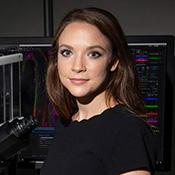
Principal investigators: Lauren Orefice, PhD, assistant professor in the Department of Genetics at HMS and in the Department of Molecular Biology at Massachusetts General Hospital; Christopher Harvey, PhD, professor of neurobiology at HMS.
Sensory over-reactivity is a hallmark of autism, affecting social behavior and quality of life, but the brain pathways responsible for this link remain poorly understood. This project explores how disruptions in peripheral sensory neurons—responsible for connecting the body’s sensory organs to the brain—during early development can lead to social behavior deficits later in life.
Building on their recent findings that mutations in multiple autism-associated genes specifically affect these peripheral neurons, Orefice and Harvey are using genetically engineered mouse models to track how sensory signals from the skin and gut are processed in the brain, and how abnormal sensory input influences neural circuits related to social behavior in mouse models for autism.
They’ll use advanced electrophysiology (which records electrical activity in neurons), optogenetics (which uses light and genetic modification to control brain cell activity), and circuit mapping (which traces how signals travel between groups of neurons and throughout the brain). These tools will help them trace the flow of information from peripheral sensory neurons through to the somatosensory cortex and the anterior cingulate cortex—critical hubs for integrating sensory and social information.
“We think that when certain peripheral sensory nerve cells aren’t working properly, it can change how the brain develops connections related to touch and gut sensations,” explains Harvey. “By studying these body-brain connections in the lab, we hope to learn how early sensory problems might shape sensitivity to touch and patterns of social interaction in autism.”